Locate the test point
Distinguish low-energy electronics, branch circuits, distribution equipment, drive outputs, and outdoor conductors before applying a category assumption.
Electrical measurements with the limits visible
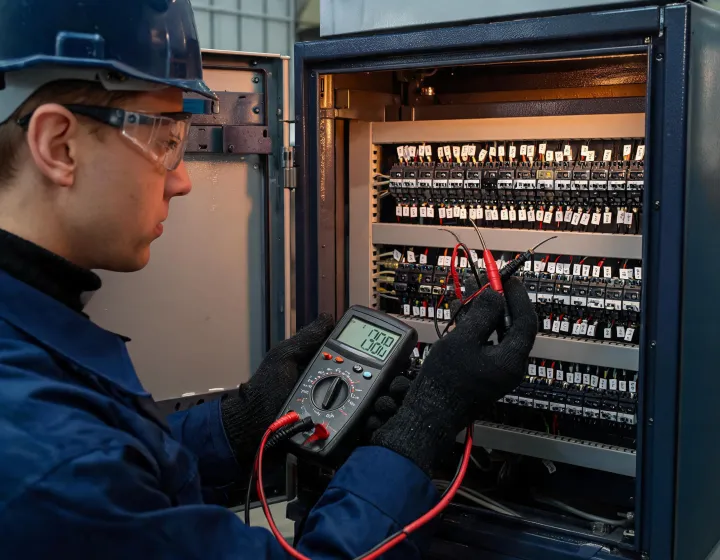
Match the measurement function, expected range, basic accuracy, display resolution, input protection and CAT environment before a meter reaches an energized test point.
Specification groups
Selection discipline
Distinguish low-energy electronics, branch circuits, distribution equipment, drive outputs, and outdoor conductors before applying a category assumption.
Variable-frequency drives, distorted loads, pulses, and mixed AC/DC signals may require true-RMS response, bandwidth limits, or filtering to be considered.
The meter, leads, probes, clips, adapters, and fuses each need ratings and condition appropriate to the intended procedure.
Record the model, range, environmental conditions, calibration status, procedure revision, and acceptance tolerance when the result supports a quality decision.
Share the expected signal, circuit environment, required accuracy, accessory needs and existing instrument. We will organize a traceable comparison and flag any assumption that still needs field confirmation.
Request an Instrument Review